168 students, UK primary schools
Significant improvement in teacher-reported attention (p=.017) and in eye-tracking measures of visual control (p=.001).
Read the preprintMastermind Cognitive Training began with a question scientists were asking about how the brain learns: can the right practice strengthen the skills behind how we take in, hold, and act on information?
It can, and Mastermind was built around that idea: engaging, measurable experiences that build those skills through steady practice. Today it supports learners across education and a range of learning and performance environments. What connects them is a shared belief: cognitive skills can be strengthened, and every learner has the capacity to grow.
Our goal is to create experiences that actively challenge attention, processing, memory, reaction time, and executive function in a meaningful and measurable way.
Dominick Fedele, Mastermind's CEO, has watched what families ask about shift: less about grades, more about whether a child can hold focus, retain information, and follow directions. He's candid that skepticism toward brain training is fair: few programs name the skills they train or measure them. Mastermind's answer is to be that specific: name the skills, measure them directly, and stay honest about what the evidence shows.
Forbes · May 2026
Cognitive Training And The Conversation About Summer Slide
“Targeted, adaptive interventions designed to improve specific cognitive control abilities such as attention show encouraging signals.”
Dr. Joaquin AngueraAssociate Professor of Neurology and Psychiatry, UCSF
Read the articleIndependent research examines what Mastermind's training actually changes across education, sports, and other learning environments, including a registered trial in UK primary schools and a peer-reviewed sports study.
168 students, UK primary schools
Significant improvement in teacher-reported attention (p=.017) and in eye-tracking measures of visual control (p=.001).
Read the preprintJunior tennis players
38% greater improvement in Universal Tennis Rating than a control group (p=.008).
Read the study65 students, Fusion Academy
Students using Mastermind improved several times as much as a control group across cognitive measures, with larger reading and oculomotor gains.
Read the preprintWe are proud to have collaborated on research with Mastermind and can see how that cohort of children benefited from the intervention.
A team drawn from cognitive science, technology, and operations.
Leadership
Advisory Board
Board of Directors
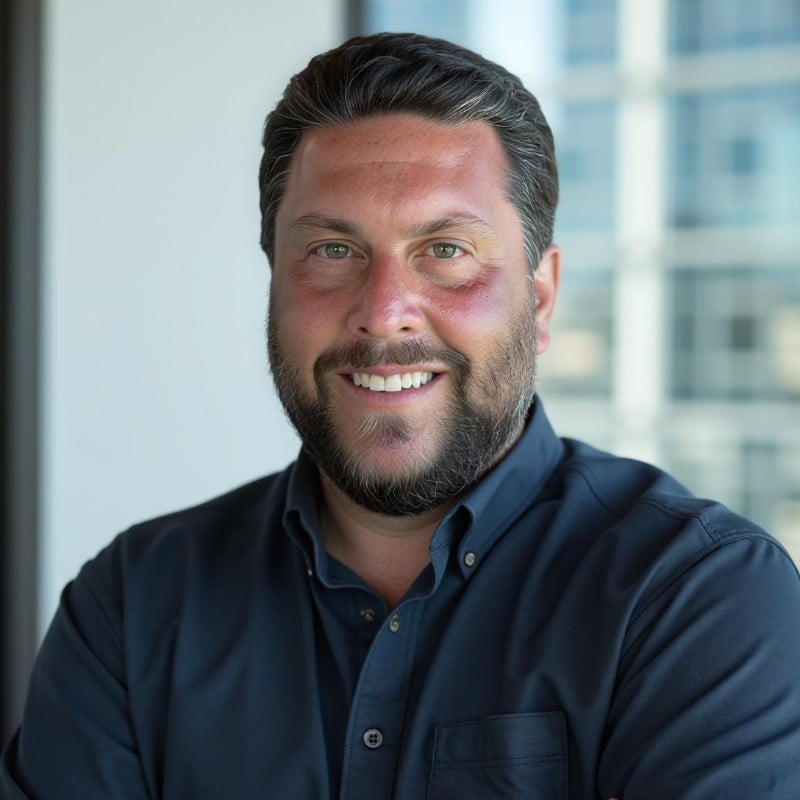
Dominick Fedele
Chief Executive Officer, Mastermind Cognitive Training
Founder of Mastermind Cognitive Training, Dominick leads its mission to improve brain performance through neuroscience, vision training, and game-based technology. With a background in executive leadership and business development, he oversees product vision, partnerships, growth, and research.

Mike Seaman
Vice President of Operations, Mastermind Cognitive Training
Mike has led operations and project management at Mastermind since 2022. He brings more than a decade of operations leadership from higher education, including regional and executive roles at Hussian College, Education Corporation of America, and Kaplan Higher Education.

Melissa Strum
Vice President of Partnerships, Mastermind Cognitive Training
As VP of Partnerships at Mastermind Cognitive Training, Melissa brings a background in education, literacy, and K-12 partnerships to the company’s mission of understanding how the brain works and how kids learn. With experience focused on how the brain learns to read, including expertise in dyslexia and literacy development, she brings a deep understanding of learning to her work with educators and schools.
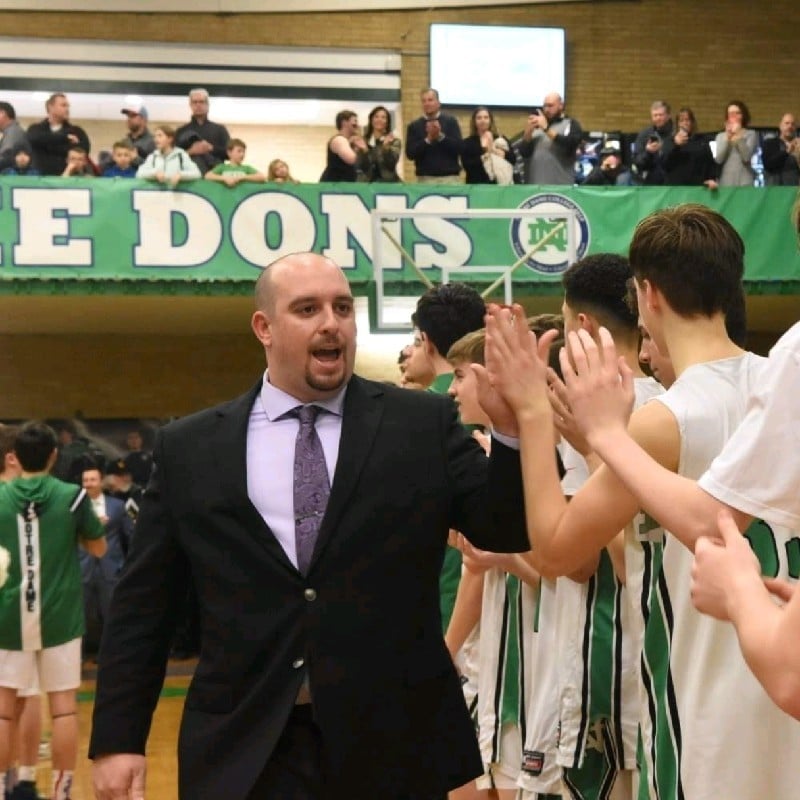
Mike Kloss
Director, Facility Operations, Mastermind Cognitive Training
Michael works directly with schools, athletic programs, and youth organizations to build the cognitive skills behind learning and performance, like focus, memory, reaction time, and decision-making, through Mastermind's VR and tablet training. He holds an MBA and a background in higher-education administration.
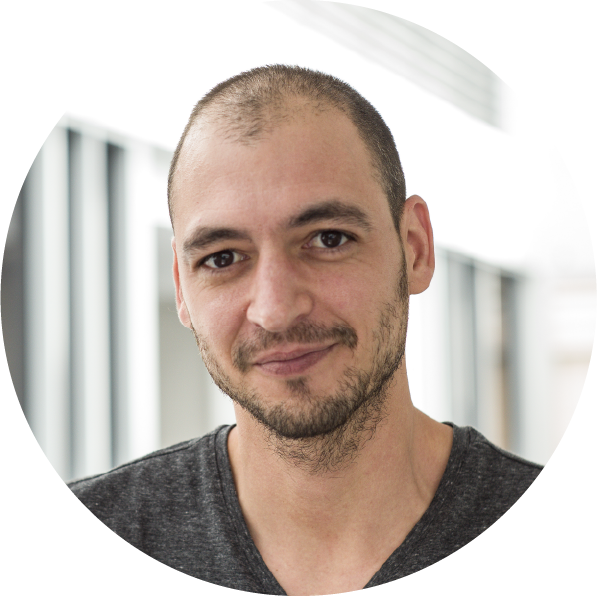
Roger Anguera
Director, Technology Division, Interactive Media, Neuroscape
Based at UCSF’s Neuroscape, Roger directs the technology team that turns neuroscience research into interactive experiences, working across scientific imaging, motion capture, biofeedback, and virtual and augmented reality. His background in game-based design and experiment interaction shapes how research becomes something people can engage with directly.

Nick Murray, PhD
Director of the Visual Motor Laboratory, East Carolina University
Nick is a Professor of Kinesiology at East Carolina University and director of its Visual Motor Laboratory, where he studies how vision, movement, and cognition work together. His research uses eye tracking and gaze patterns to assess performance and recovery, from concussion and brain injury to elite athletics and decision-making under pressure.

Ricardo Gomez
Technology and Development
Nadine Fahoum
Partner, Crane Street Capital
Nadine is a partner at Crane Street Capital, a private equity firm that invests in education and healthcare companies serving students and communities. A longtime investor across the firm’s portfolio, she serves on Mastermind’s board and holds degrees from Duke University and New York University.
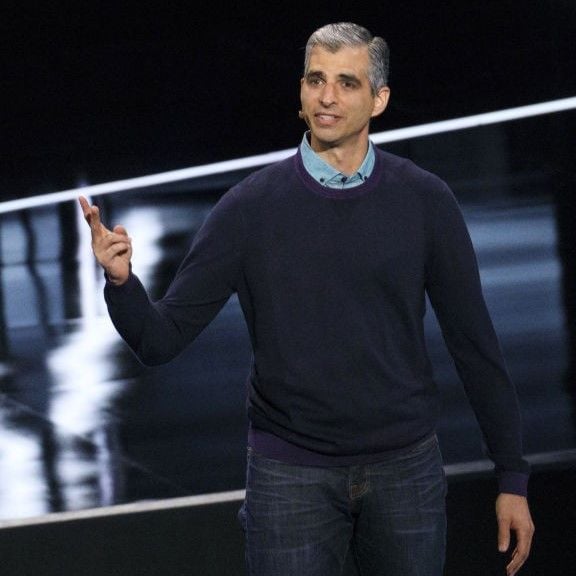
Kareem Choudhry
Former CVP, Xbox Emerging Technologies, Microsoft
Kareem spent more than two decades at Microsoft, most recently as Corporate Vice President of Xbox Emerging Technologies, leading work on gaming AI, and earlier as the corporate vice president behind cloud gaming and Project xCloud. He serves on Mastermind’s board, bringing deep experience in gaming technology at scale.